In 2025, a new programming paradigm is emerging: VIBE CODING. Developers no longer need to hand-write every line — they describe desired behaviour in natural language and advanced AI generates the code. This change is reshaping prototyping, product development and who can ship software. Below we explain what vibe coding is, why it matters now, how to start, and the risks to watch.
WHAT IS VIBE CODING?
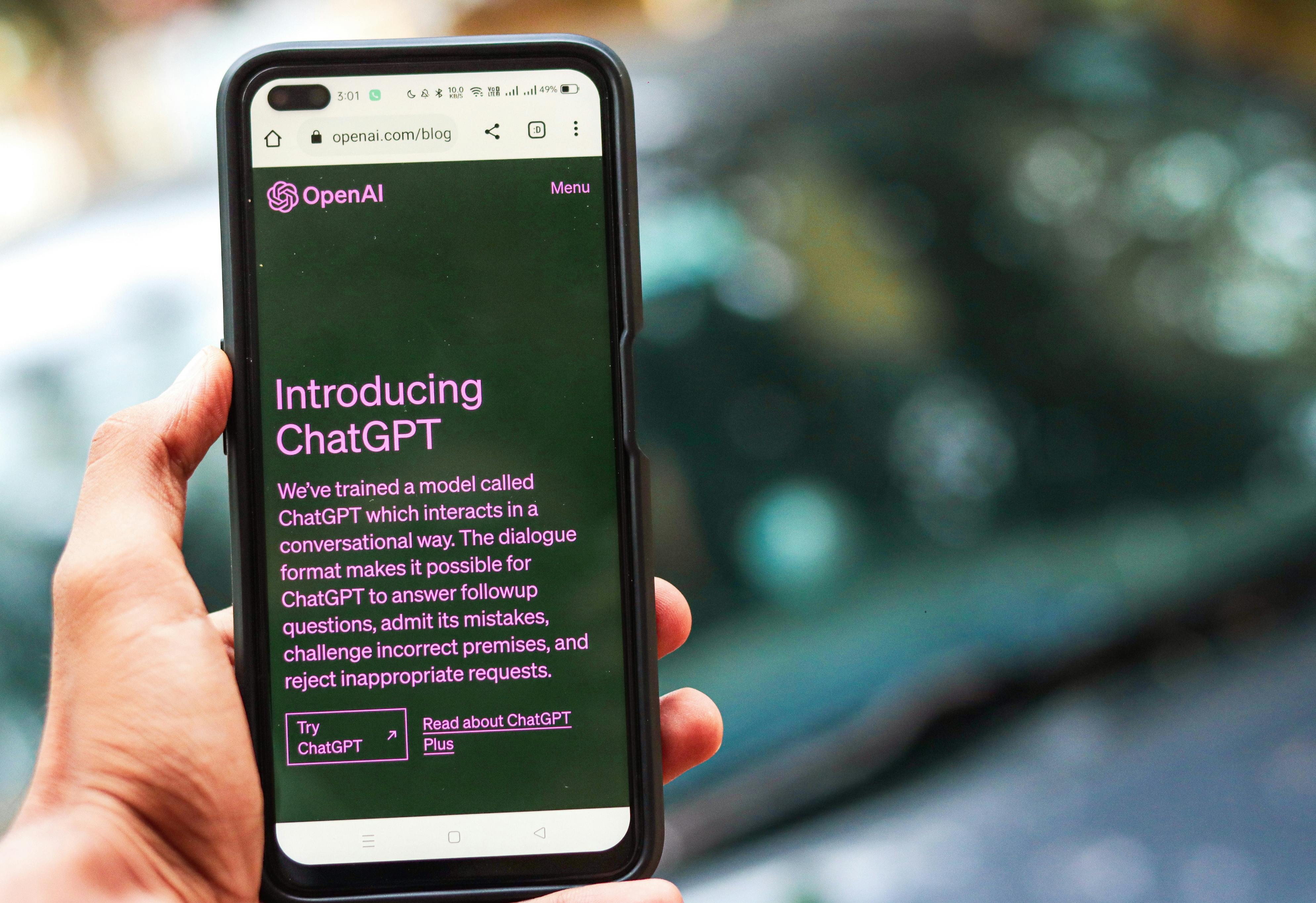
Vibe coding describes a workflow where developers or product owners use large language models (LLMs) to generate functional code from natural-language prompts. The emphasis is on describing intent and refining results rather than authoring every implementation detail. It blends elements of AI-assisted coding, agentic AI and automated testing into a conversational development loop.
How it differs from classic AI-assisted coding
- Classic: AI suggests snippets you inspect and paste.
- Vibe coding: AI acts as the primary builder; humans guide, test and iterate.
WHY VIBE CODING IS TRENDING NOW
- LLM capability jump: Newer models handle complex reasoning and generate structured code reliably.
- Agentic AI growth: Autonomous agents can plan and execute multi-step tasks without constant human prompts.
- Product speed: Startups favour speed to market — vibe coding accelerates MVP builds.
- Multi-model platforms: Tools that let you swap LLMs in one workspace make experiments cheap and fast.
REAL-WORLD USE CASES
| Use case | Description |
|---|---|
| Rapid prototyping | Founders describe features in plain English; AI builds a working prototype quickly. |
| Security auditing | Autonomous agents scan code for vulnerabilities and propose fixes. |
| Automated feature generation | LLMs generate UI components, APIs and tests from user stories. |
| Experimentation | Teams try many ideas with low overhead, pivoting on results rather than rewrite cost. |
KEY TOOLS POWERING VIBE CODING
- LLM platforms — GPT (OpenAI), Gemini (Google), Claude (Anthropic).
- Multi-model workspaces — let you compare outputs quickly.
- Agent frameworks — orchestrate multi-step tasks and automated testing.
Suggested starting stack
- OpenAI GPT API or equivalent (trial/free tier available).
- A multi-model tool or workspace (search for "Lumio AI" or similar).
- Local sandbox environment to run and test generated code safely.
BENEFITS
- SPEED: Quick MVPs and feature tests.
- ACCESSIBILITY: Non-experts can produce working prototypes.
- ITERATION: Easier to experiment with product ideas.
RISKS & CHALLENGES
- CODE QUALITY: Generated code may not follow best practices.
- SECURITY: Hidden vulnerabilities or poor dependency choices.
- COST: High model usage can become expensive.
- SKILL EROSION: Over-reliance may weaken core engineering skills.
- LEGAL/IP: Ownership and licensing of AI-generated code may be unclear.
HOW TO GET STARTED
- Pick one LLM with a free tier and experiment (OpenAI, Gemini, Claude).
- Write clear natural-language specifications for small features.
- Run generated code in safe sandboxes and include automated tests.
- Use agents for repeated tasks but keep human review cycles.
- Document generated code and refactor for maintainability.
THE FUTURE OF VIBE CODING
Expect hybrid teams where people act as AI orchestrators, enterprises trialling AI-first toolchains for internal apps, and new governance standards for AI-generated code. The shift will be gradual, but the direction is clear: more automation, faster iteration and new roles in the development lifecycle.

FAQ
Q1: Is vibe coding just a gimmick?
A1: No. While early tools have limits, the approach already speeds prototyping and is increasingly useful as models improve.
Q2: Which LLMs are best for vibe coding?
A2: Popular options are OpenAI's GPT models, Google Gemini and Anthropic's Claude. Use multi-model platforms to compare outputs.
Q3: Will vibe coding replace engineers?
A3: It will change roles. Engineers will focus more on design, testing, governance and orchestrating AI agents rather than writing every line.
Q4: Is AI-generated code secure?
A4: Not automatically. Use agentic security tools, audits and staged deployment to mitigate risks.
Q5: How much will this cost to try?
A5: Small experiments can be done on free/trial tiers. Cost scales with model choice, usage and number of agent calls.
External sources used to research this post include authoritative coverage of LLMs and agentic AI — for example OpenAI documentation and public writeups on recent LLM advances.
Authoritative reads: OpenAI, Vibe coding (overview)
CONCLUSION & CTA
Vibe coding is shaping how software is built: faster prototyping, new developer roles, and a stronger emphasis on AI orchestration. Start small — try an LLM free tier, describe a simple feature and iterate. Share your experiments in developer communities and refine your process as tools mature.
TITLE: Vibe coding concept diagram — ALT: Flowchart showing human describes task → LLM generates code → feedback loop — Place: middle of article to illustrate workflow.
TITLE: Multi-agent AI system — ALT: Multiple AI agents collaborating on a software project — Place: near conclusion to visualise future workflows.
TITLE: AI-first startup coding — ALT: Startup founder describing app features to an AI assistant — Place: sidebar as an illustrative case image.




No comments:
Post a Comment